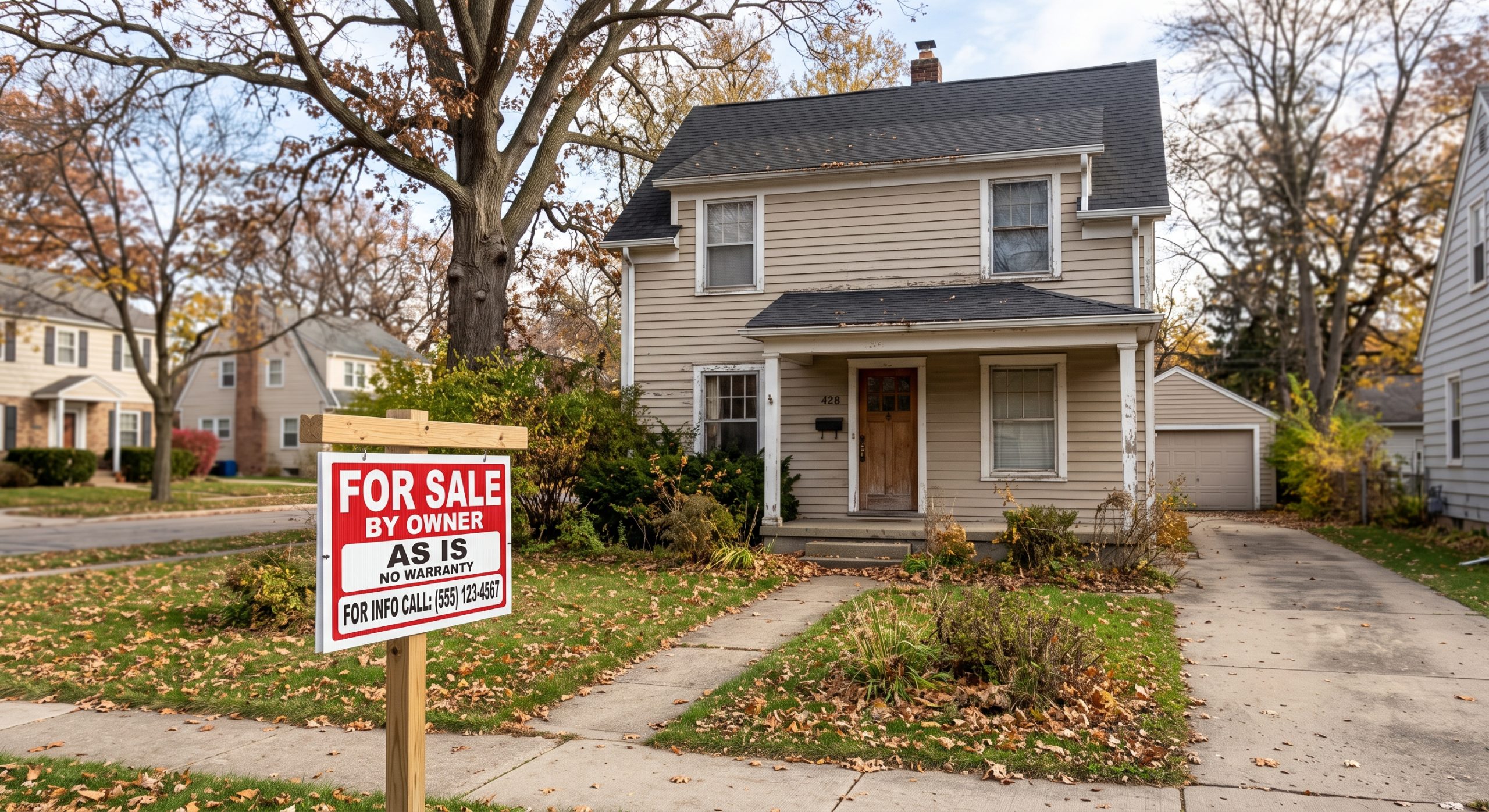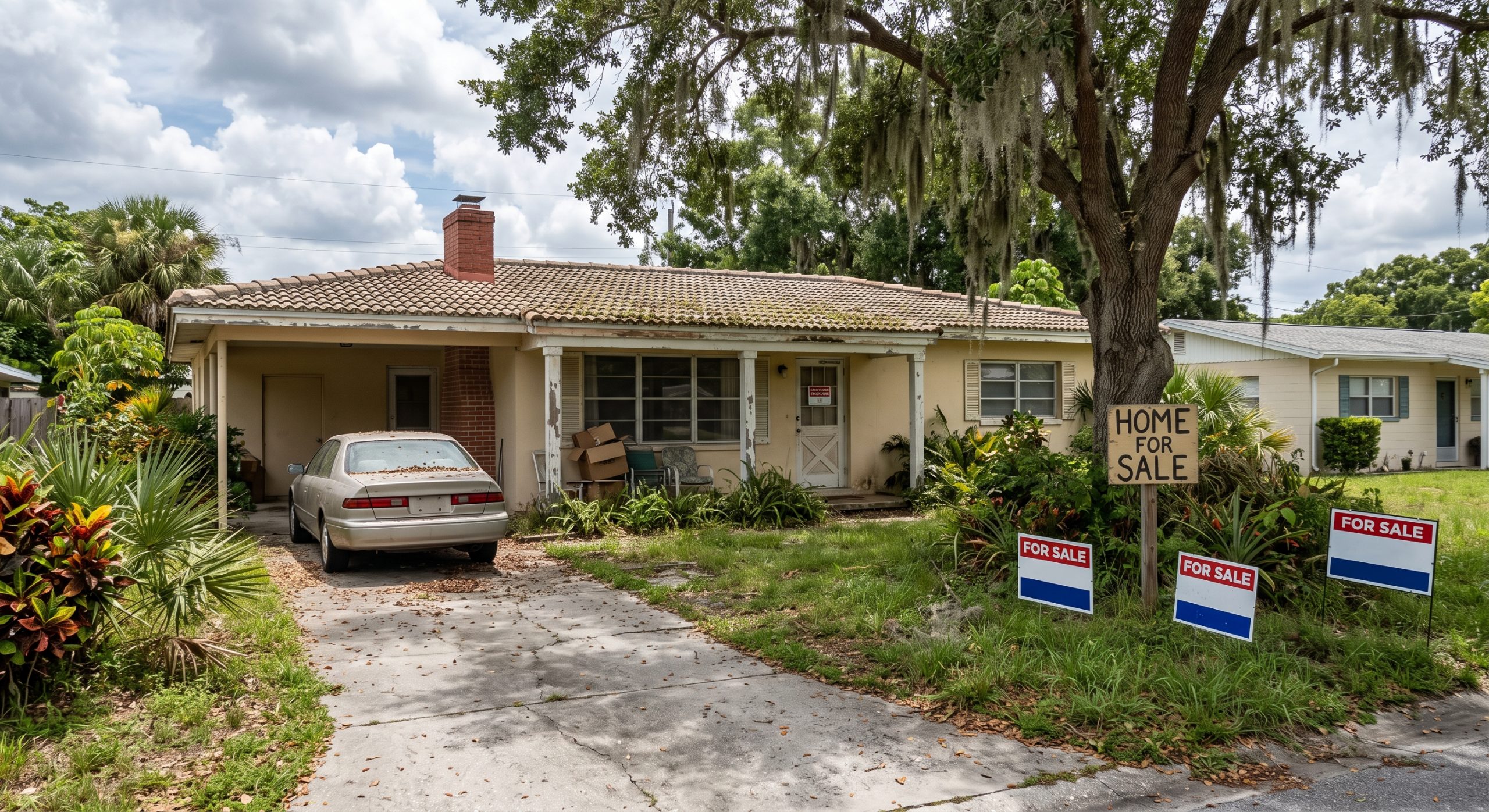

Owners often need to sell a damaged house in Cape Coral fast to avoid burning cash on expensive contractor bids. Most people panic over roof leaks. Water stains from hurricane intrusion scare them. Code enforcement notices add massive stress. An old AC unit failing in July feels like a disaster.
They assume nobody wants a fixer-upper. The reality on the ground in Lee County proves otherwise. Battered properties still hold major land value. Distressed houses sell constantly. Your best move depends on your timeline. It also relies on your cash reserves. Deciding between retail buyers and a direct cash buyer makes a huge difference.
Key Takeaways
- Bypass upfront renovation bills by offloading your home strictly as-is.
- Lock in a direct cash offer to transfer structural and roof headaches instantly.
- Avoid bank financing bottlenecks that routinely kill retail buyer contracts.
- Skip endless open houses to stop bleeding cash on holding fees.
- Work directly with Blue Chip Home Solutions for a fair cash buyout.
Selling a Damaged House in Cape Coral Without Fixing It First
Handing off a distressed property without making repairs puts the burden squarely on the buyer. They take the structure exactly as it sits today. This route makes sense when renovations require heavy capital. It also works well if you simply refuse to sink another dime into a money pit. Battered homes trade hands across Southwest Florida daily. Buyer pools, final payouts, and closing speeds just shift depending on the necessary rehab work.
Key Things to Know Before Selling a Damaged House As-Is:
1. Damaged homes sell every single day.
A residential structure does not need to look perfect to command real money. Roof failures and severe water intrusion won’t block a transaction. Fire residue or outdated electrical panels are just math equations. Years of deferred maintenance rarely kill deals completely. The buyer pool simply shifts from retail homeowners to experienced cash investors. These pros budget for rehab right into their offers.
2. An as-is contract doesn’t mean giving the property away.
Selling as-is means you refuse to complete repairs before closing. The dirt, footprint, and neighborhood comps still hold serious worth. Investors aggressively pursue fixer-uppers across the Cape. Prime canal location and lot value remain consistently strong regardless of structural condition.
3. The type of buyer dictates your closing experience.
Retail buyers browsing the MLS demand turnkey properties. Their mortgage underwriters require clean appraisals and full insurance coverage. Cash home buyers operate on a totally different level. They use private capital and completely bypass bank underwriters. These buyers actively hunt for homes needing heavy lifting.
4. Full disclosure is still required by law.
Skipping repairs never excuses hiding known mechanical flaws. Florida law demands property owners disclose material facts that impact value. Hidden water intrusion, structural settling, and electrical hazards must be reported. Honest disclosures protect you legally. They also ensure a seamless, drama-free closing.
5. Your financial situation determines the right path.
Having extra cash and six free months might make a flip tempting. Managing crews could net slightly more profit in the end. Being low on funds changes that equation entirely. Tired of paying utility bills on a vacant house? An as-is sale eliminates contractor risks. It stops ongoing holding costs dead in their tracks.

Get Your Cash Offer Today!
Start Your Home Sale
What Types of Damage Can Make a Traditional Sale Harder?
Standard MLS listings get messy fast. Property inspectors love uncovering significant mechanical or structural defects. Retail buyers might adore the neighborhood. Sadly, their lenders pull the plug over old roofs or plumbing issues. Insurance carriers in Florida are incredibly strict right now. They routinely refuse coverage on homes with active leaks or polybutylene pipes.
- Identify severe roof wear. Curling architectural shingles and active ceiling drips trigger instant insurance rejections.
- Address deep water intrusion. Moisture stains, warped subfloors, and mold blooms stem from heavy Florida downpours.
- Evaluate fire or smoke contamination. Charred framing studs and ruined wiring demand extensive municipal permits to fix.
- Detect foundation and settling issues. Stair-step cracks in exterior stucco and unlevel tile floors result from shifting local soil.
- Examine obsolete plumbing systems. Corroded cast-iron drain lines and aluminum circuits trigger immediate building code violations.
- Repair tropical storm damage. Torn lanai screening and blown-off soffits leave home interiors exposed to persistent weather.
- Clear severe cosmetic neglect. Damaged cabinetry, stained carpeting, and leftover debris absolutely destroy retail curb appeal.
These issues don’t render a property unmarketable. They just mean traditional sales involve brutal negotiations and repair demands. Working with an experienced off-market investor eliminates those roadblocks.
How Does Selling a Damaged House As-Is Work in Cape Coral?
Selling an un-repaired house off-market cuts out the traditional real estate circus. Escaping the deep cleaning, staging, and professional photos saves massive energy. Weekend open houses become a thing of the past. Instead, you share property facts and receive an offer. This works perfectly when you need to sell a damaged house in Cape Coral without stress.
- Submit basic property details. Share your address, overall layout, known mechanical flaws, and target timeline.
- Schedule a property walkthrough. Allow a quick in-person inspection or detailed photo review to gauge rehab scope.
- Receive a clear cash offer. Review numbers built on actual local comps minus estimated material and labor costs.
- Evaluate terms and pricing. Read the contract terms without high-pressure sales tactics or hidden agent fees.
- Select your closing date. Pick your exact closing day and sign final paperwork at a licensed title company.
This streamlined process removes major real estate headaches. Bank appraisers and repair escrows disappear. Buyers pulling out two days before closing won’t happen. The path focuses entirely on converting your property problem into liquid capital.
Should You Repair a Damaged House Before Selling It?
No law forces you to fix up a home before selling. The real question revolves around return on investment. Will renovation work yield enough to justify your cash outlay? Small cosmetic fixes sometimes help. Major structural repairs frequently suffer from budget overruns. Unexpected delays easily eat into potential profits.
- Calculate available repair capital. Determine if you can fund heavy contractor deposits without draining emergency savings.
- Estimate total time constraints. Consider whether you can wait months for municipal permits and municipal inspections.
- Factor in contractor availability. Prepare for local labor shortages, material backorders, and costly change orders.
- Tally monthly holding fees. Add up ongoing mortgage payments, property taxes, and inflated Florida home insurance.
- Anticipate picky retail buyers. Understand that retail shoppers might still demand price credits during escrow.
- Evaluate current market trends. Recognize that full home renovations rarely deliver a complete return on investment.
Fixing minor items makes sense on a mostly turnkey house. Taking on major defects yourself remains a high-risk gamble. Always compare potential net proceeds against a clean cash offer. An as-is sale usually proves to be the financially sound route.
When Is a Cash Home Buyer a Better Option for a Damaged Property?
Direct cash buyers offer the best route when standard listings get too expensive. Investors analyze real estate based on present condition. Future potential matters more than current aesthetics. Broken AC units and dated kitchens won’t kill the deal.
- Lacking repair funds prevents making the upfront renovations required for standard retail buyers.
- Facing storm or fire damage makes the property completely uninsurable and unmarketable.
- Dealing with failed inspections breaks prior traditional buyer contracts during the escrow period.
- Managing an inherited property from out of state leaves zero time to run construction projects.
- Navigating urgent life events like probate or foreclosure requires guaranteed closing dates.
- Draining cash flow on a vacant home hurts your wallet through taxes and utilities.
- Avoiding endless open houses, cleanouts, staging costs, and Realtor commissions remains a top priority.
Cash offers reflect a discount compared to fully remodeled homes. They also save you tens of thousands in contractor bills. Guaranteed cash in hand beats waiting months for a retail buyer’s loan approval.

Get Your Cash Offer Today!
Start Your Home Sale
Sell Your Damaged House Fast in Cape Coral With Blue Chip Home Solutions
A distressed property shouldn’t trap you in a financial bind. Roof leaks, flood damage, and structural issues do not mean you are stuck. Code violations and deferred maintenance have viable exit options. Managing contractors wastes precious time. Paying out-of-pocket holding fees drains your bank account. Wondering if a retail buyer’s loan will clear causes massive anxiety.
Blue Chip Home Solutions buys distressed and damaged homes across Southwest Florida. We remove the middleman completely. Real estate commissions disappear from the equation. The entire process becomes completely hassle-free. If you are ready to sell a damaged house in Cape Coral, our team can deliver a fair cash offer tailored exactly to your schedule.
Call Blue Chip Home Solutions today at tel: 2395581801. Discuss your property details with us. See if a direct cash sale makes sense for your situation. Walk away from repair headaches and close on your terms.
Frequently Asked Questions
Q: Can I sell a house with roof damage in Cape Coral?
A: Yes. Traditional buyers struggle to get home insurance. Cash buyers purchase properties as-is and build roof replacement costs directly into their initial offer.
Q: Can I sell a house with water damage without fixing it?
A: Absolutely. Direct cash home buyers regularly buy homes with moisture issues. They take over ruined subfloors, sagging drywall, and mold growth cleanup.
Q: Will I get less money if I sell a damaged house as-is?
A: Generally, yes. As-is cash offers account for contractor labor and materials. Deducting real estate commissions and holding costs makes your net proceeds very comparable.
Q: Do I need to clean out a damaged house before selling?
A: No. Direct cash buyers let you grab your personal belongings. You can leave behind unwanted furniture, broken appliances, and trash for cleanout crews.
Q: Is selling a damaged house for cash a good idea?
A: Selling for cash represents an excellent strategy for speed. It eliminates financial risks and contractor hassles associated with repairing a distressed property.