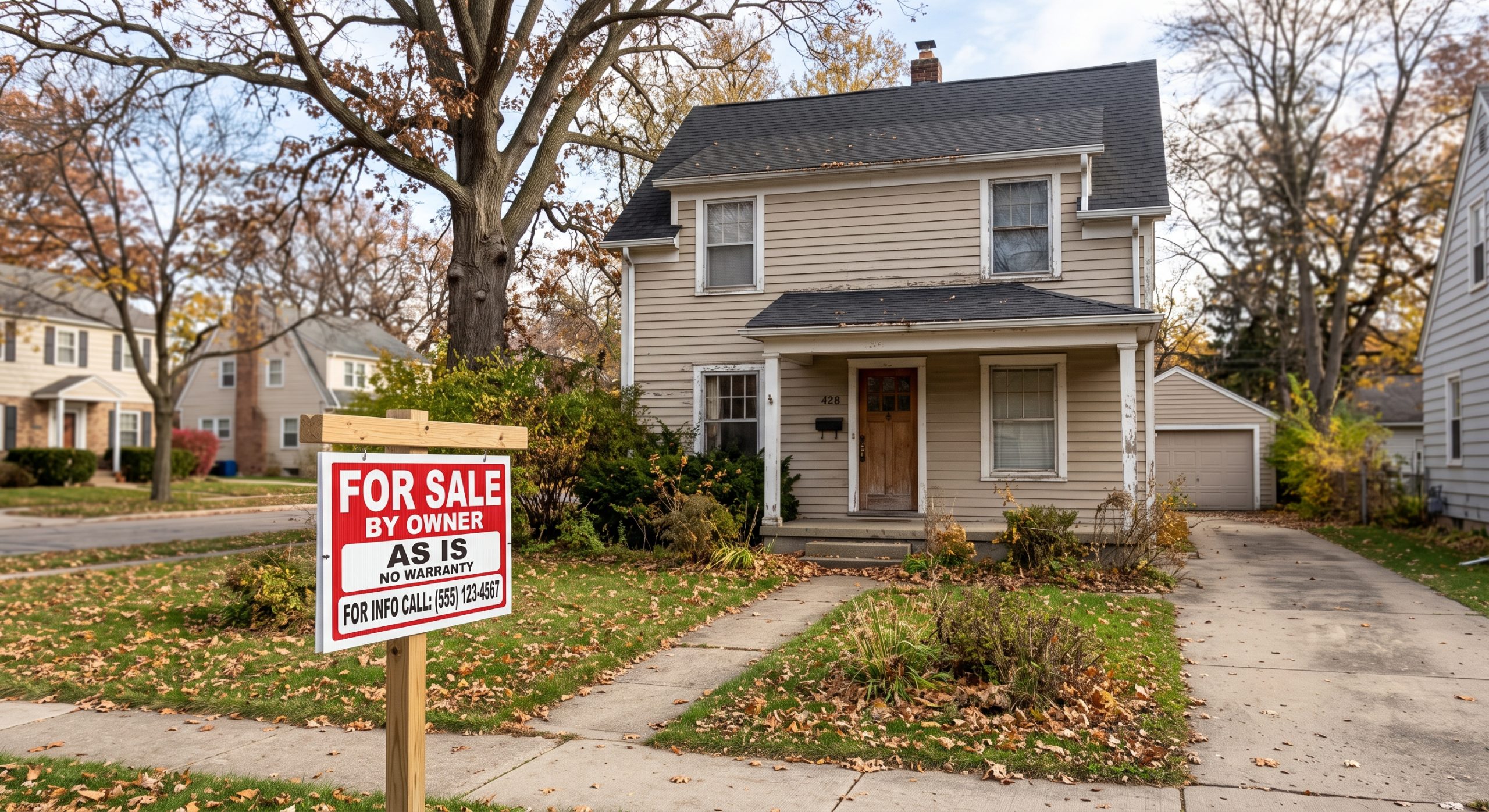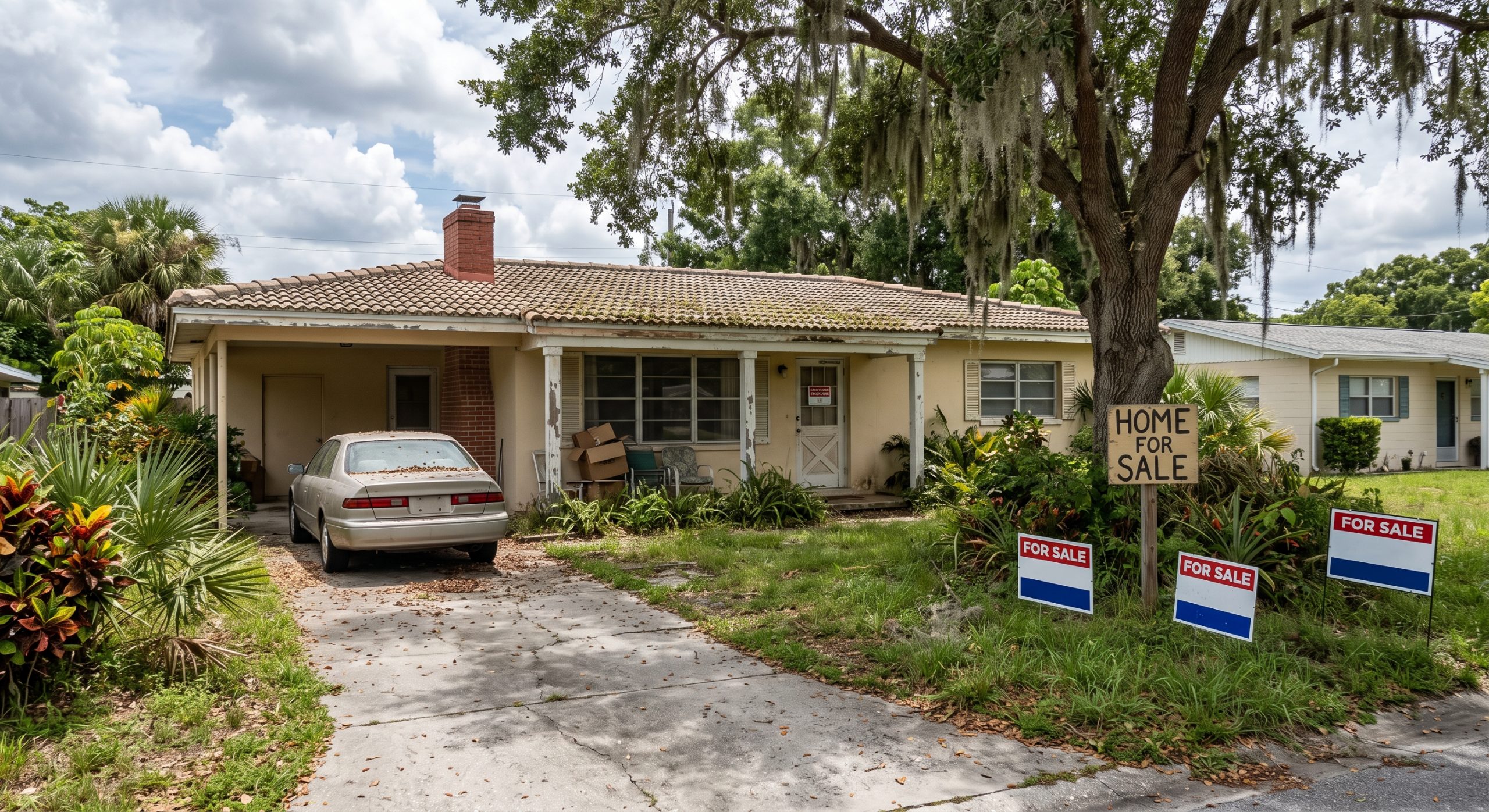

Deciding on selling your house as-is often beats taking on a massive renovation if you want to dodge upfront repair costs, contractor delays, and closing uncertainty. Upgrades might boost curb appeal on a listing. However, dumping cash into drywall and paint rarely guarantees a higher net profit at the closing table. Homeowners regularly deal with storm damage, probate properties, tight finances, or sudden relocation. Stacking the real cost of repairs against a direct cash offer reveals the smartest exit strategy fast.
Key Takeaways
- Bypass massive out-of-pocket construction costs and upfront financing fees.
- Eliminate contractor schedule delays, permit backlogs, and seasonal market shifts.
- Connect directly with cash investors ready for Cape Coral properties in raw condition.
- Evaluate actual net profit by weighing line-item repair estimates against holding costs.
- Work with direct home buyers like Blue Chip Home Solutions to skip agent commissions.
Selling As-Is vs. Renovating Before Listing
Selling a property in its current condition means you hand over the keys without fixing a single cracked tile. Renovating means dumping heavy money upfront to modernize a property before hitting the open market. Both paths serve entirely different goals. The direct route prioritizes pure speed and convenience. The traditional path chases a higher listing price, but it demands time, cash, and massive effort.
| Factor | Selling As-Is | Renovating First |
| Upfront cost | Lower out-of-pocket spending | Higher outlay for materials and labor |
| Timeline | Often faster, closing in days | Usually longer due to rehab schedules |
| Repairs | Not required before the sale | Completed before listing on the MLS |
| Buyer type | Cash buyers or local investors | Retail buyers using strict bank loans |
| Stress level | Usually lower | Often higher with contractor management |
| Sale price | May be lower | May be higher |
| Risk | Zero repair or permit delays | High risk of contractor and market delays |
| Best for | Speed, convenience, difficult properties | Market-ready homes with a repair budget |
Key Differences Homeowners Should Understand
- Selling as-is focuses on convenience.
Skipping extra spending makes sense when the house needs a fresh roof or plumbing overhaul. You avoid managing unreliable subcontractors entirely. - Renovating focuses on improving market appeal.
Cosmetic updates pull in traditional buyers quickly. Just remember that dollars spent rarely match dollars earned at closing. - Your net profit matters more than the sale price.
A bloated listing price looks great online. Reality sets in when you subtract 6% agent commissions, insurance, taxes, and holding costs. - Timeline can change the best decision.
Having months to burn makes renovating possible. Facing foreclosure or sudden relocation demands raw speed. - The condition of the house affects your buyer pool.
Lightly dated homes attract retail buyers with conventional loans. Choosing to sell your house as-is opens doors to cash investors who don’t care about a leaky roof.

Get Your Cash Offer Today!
Start Your Home Sale
When Does Selling a Cape Coral House As-Is Make More Sense?
Dumping the property in its current state makes sense when renovation costs and stress outweigh the actual profit. Many owners lack the spare thousands needed to update a house. Dealing with tradesmen just adds frustration to an already difficult life situation.
Selling without repairs may be the better option if you:
- Face expensive roof replacements, active plumbing leaks, or foundation cracks.
- Inherit a packed probate property you cannot manage from out of state.
- Fall behind on mortgage payments and need a fast financial exit.
- Hold a vacant property bleeding cash through taxes and utilities.
- Relocate quickly without time for a drawn-out listing process.
- Manage destructive tenants or serious landlord headaches.
- Avoid deep cleaning, full trash-outs, staging, and weekend open houses.
- Bypass agent commissions and brutal post-inspection negotiations.
Blue Chip Home Solutions buys properties in their raw state. Sellers close on a custom timeline without hidden realtor fees. Direct buyers often cover the closing costs to keep things simple. Avoiding another repair project holds serious value for owners who just want out.
When Is Renovating Before Selling Worth Considering?
Tearing into a house makes sense if the needed repairs stay small, you hold strong cash reserves, and time remains on your side. Cosmetic improvements definitely attract retail buyers when the property already holds solid bones.
Renovating may make sense when you:
- Fix minor cosmetic defects that remain cheap and fast to resolve.
- List in a hot neighborhood demanding move-in ready homes.
- Wait for reliable contractors without fighting hard deadlines.
- Select targeted upgrades proven to spike resale appeal.
- Manage sub-contractors personally before hitting the MLS.
- Float monthly holding costs while construction drags on for weeks.
- Test the open retail market to chase a higher gross price.
Renovations always carry heavy inherent risks. Contractor quotes spike mid-project routinely. City permits drag out for weeks. Traditional buyers still demand repair credits after their inspector walks the house. The final sale price must actually justify the massive headache.
What Costs Should You Compare Before Renovating?
Compare the complete financial picture before ripping off a roof or tearing out cabinets. Sellers frequently focus on the potential listing price instead of their actual net profit. A remodeled home sells for more on paper, but construction bills and agent fees destroy the final proceeds.
Important costs to review include:
- Calculate heavy estimates for roof work, plumbing lines, and electrical updates.
- Track contractor delays forcing you to pay extra months of taxes and insurance.
- Deduct traditional listing commissions taking 5% to 6% straight off the top.
- Pay mandatory title fees and buyer concessions at closing.
- Negotiate aggressive repair demands after retail home inspections.
- Absorb continuous holding costs for every month spent in escrow.
- Risk shifting local real estate markets while swinging hammers.
Calculate your estimated net proceeds on a clear balance sheet. Subtract renovation expenses from a prospective retail price. Stack that final number against a direct cash offer. This harsh math proves if the renovation truly brings a real return.

Get Your Cash Offer Today!
Start Your Home Sale
How Can You Decide Between an As-Is Sale and Renovating First?
You decide by strictly comparing your timeline, available cash, property condition, and selling goals. Heavy repairs demand a faster exit strategy. Looking at selling your house as-is provides a fast exit when you lack the cash for major structural repairs. Light cosmetic updates allow for renovations only if you hold cash reserves to float the carrying costs.
1. Identify your main goal.
Your primary target dictates the path. Prioritizing pure speed points toward a raw condition sale. Chasing the highest listing price requires months of patience and liquid capital.
2. Get realistic repair estimates.
Never guess construction costs based on television shows. Secure written, line-item bids from licensed tradesmen for water damage or structural faults.
3. Calculate your holding costs.
Tally up mortgage payments, power bills, and property taxes. These expenses compound every single month while you oversee repairs and wait for underwriters.
4. Compare likely net proceeds.
Calculate the exact cash you keep after deducting material bills and agent fees. Stack that bottom line directly against a straightforward cash offer.
5. Consider the stress involved.
Renovating demands constant phone calls and pulling municipal permits. Managing a probate or relocation requires the convenience of a fast, clean transaction.
6. Review the property’s condition honestly.
Simple cosmetic flaws do well on the retail market. Major foundation issues and years of deferred maintenance require a direct cash buyer.
The better option gives you a clean balance of financial net and personal peace of mind. Pre-sale renovations often create far more risk and hassle than actual financial reward.
Sell Your Cape Coral House As-Is With Blue Chip Home Solutions
Renovating before selling works for a few specific homeowners, but it rarely serves distressed properties well. Homes needing heavy repairs demand a faster solution. Exploring a direct cash offer saves thousands. Skip spending money on unreliable contractors. Stop waiting on municipal permits and hoping the market stays strong.
Blue Chip Home Solutions helps property owners across Cape Coral and Southwest Florida. Skip the unnecessary repair stress and endless open house showings. Sellers get a much simpler way to move forward. You choose a closing timeline matching your exact schedule.
Call Blue Chip Home Solutions today. Request a no-obligation cash offer immediately. Comparing your real net options helps you decide if selling your house as-is fits your ultimate financial goals.
Frequently Asked Questions
Q: Can I sell my Cape Coral house as-is if it needs major repairs?
A: Yes. Cash home buyers regularly purchase properties with severe roof leaks or water damage. Investors handle the heavy repairs themselves after closing.
Q: Will renovating always increase my home’s value?
A: Renovating increases the gross sale value on paper. It rarely increases your final net profit. High repair bills, contractor delays, and realtor commissions eat away the extra equity.
Q: Do buyers still inspect as-is homes?
A: Buyers absolutely still perform home inspections. The key difference involves repair obligations. Sellers do not agree to fix issues before closing.
Q: Is selling as-is faster than listing traditionally?
A: Direct cash sales close much faster. Traditional sales involve staging, showings, and agonizing mortgage approvals. Direct buyers remove appraisal conditions from the timeline entirely.
Q: Should I get a cash offer before deciding to renovate?
A: Getting a firm cash offer reveals your true baseline options. Knowing exactly what an investor pays today gives you leverage. You weigh that exact figure against estimated renovation bids.